Information and bookings on gtg.ch
Le nozze di Figaro
Opera by Wolfgang Amadeus Mozart
Sunday
13.12.2026
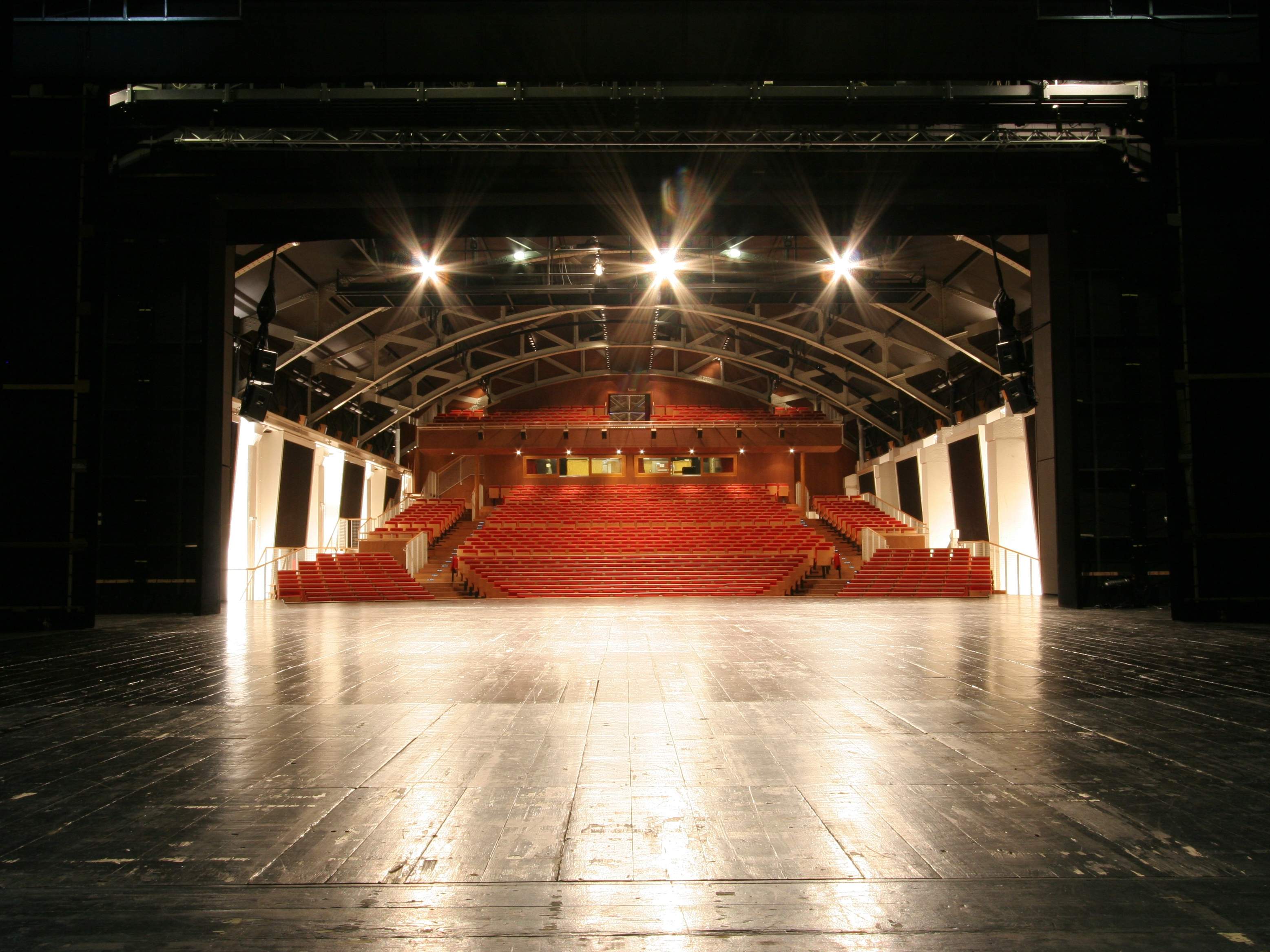
17:00 — Bâtiment des Forces Motrices, Geneva
Artistic Partner
Thursday
31.12.2026
19:00 — Bâtiment des Forces Motrices, Geneva
Artistic Partner
Programme
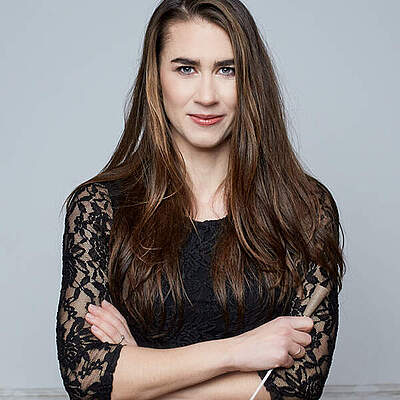
Marta Gardolinskaconductor
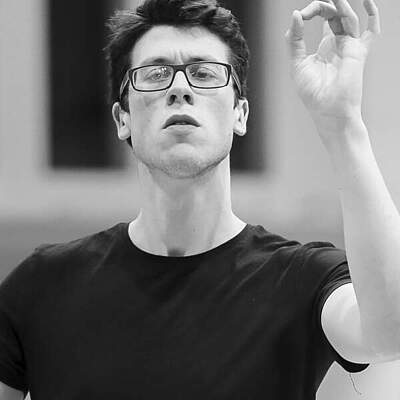
Mark Bigginschoirmaster
Le nozze di Figaro (The Marriage of Figaro)
Opera by Wolfgang Amadeus Mozart
Libretto by Lorenzo Da Ponte
Based on Le Mariage de Figaro by Pierre-Augustin Caron de Beaumarchais
First performed May 1 1786 at Burgtheater in Vienna
New production
Sung in italian with french and english surtitles
Duration 3h30 with one intermission
Recommended for ages 10 and up
CAST
Musical Director, Marta Gardolińska
Stage Director, Jetske Mijnssen
Scenographer, Étienne Pluss
Costumes Designer, Gideon Davey
Lighting Designer, Fabrice Kebour
Choreography, Jean-François Kessler
Dramaturgy, Louis Geisler
Choir director, Mark Biggins
Le Count Almaviva, Jarrett Ott
La Countess Almaviva, Siobhan Stagg
Suzanne, Lauranne Oliva
Figaro, Philippe Sly (13, 15, 17, 20, 22, 26, 29 et 31 décembre 2026) | Jared Mac Werlein (18, 28 décembre 2026)
Chérubin, Benedetta Torre
Marceline, Monica Bacelli
Bartholo, Laurent Naouri
Bazile / Don Curzio, Glen Cunningham
Antonio, Jared Mac Werlein (13, 15, 17, 20, 22, 26, 29 et 31 décembre 2026)
Barberine, Fanny Soyer
Grand Théâtre de Genève Chorus
Orchestre de la Suisse Romande
The music
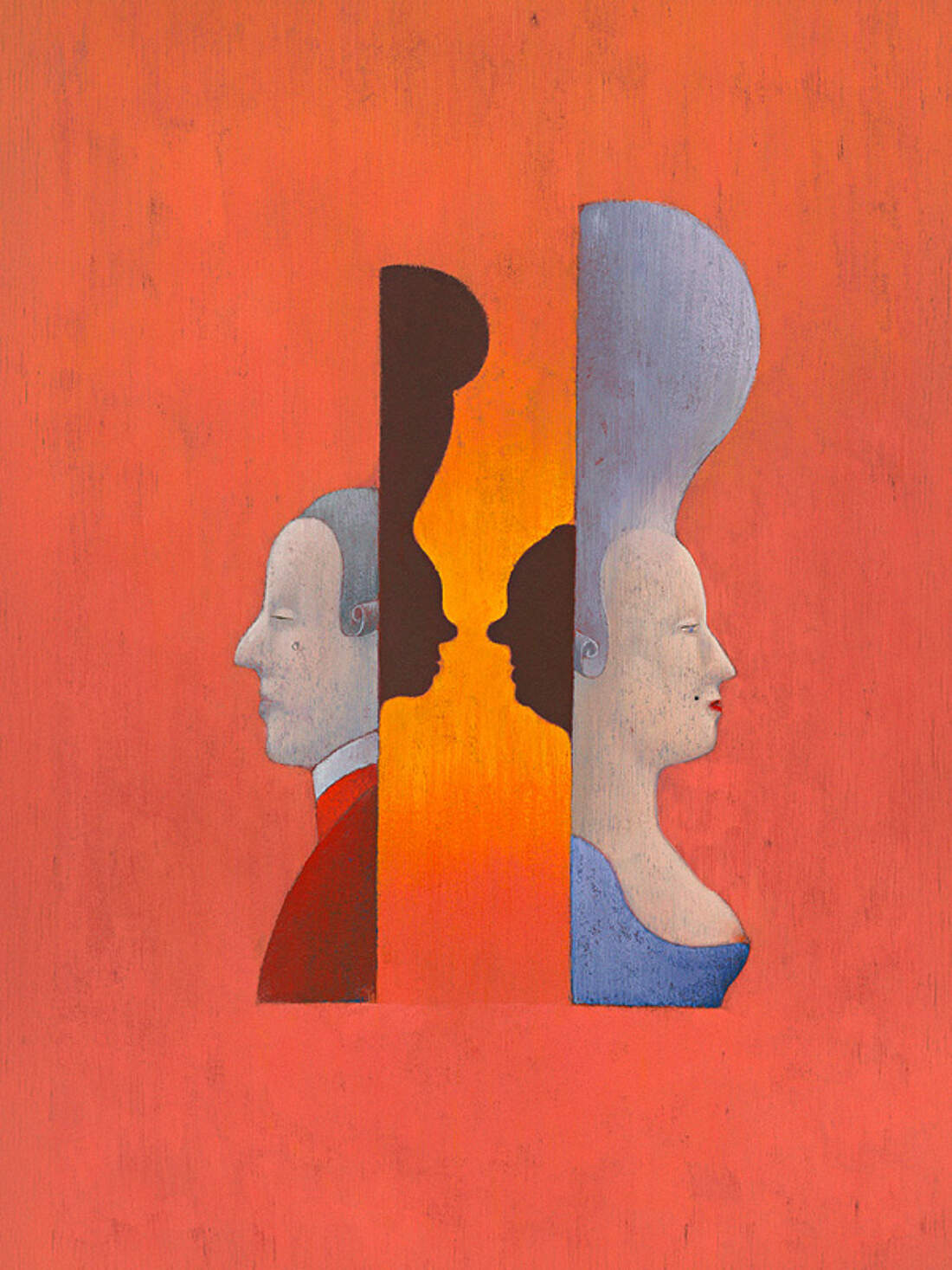
Although Count Almaviva likes to think of himself as an enlightened aristocrat, it is only when it comes to satisfying his sexual needs that he is a true libertine. Since none of the ladies of his own rank stimulate his desire any longer, the Countess’ chambermaid, Susanna, has now caught his roving eye, even though she is to marry Figaro, the count’s valet. In order to steal her from Figaro, the Count’s cunning plan is to employ two shady intrigants, Marcellina and Bartolo. But the Count’s most unexpected rival may well be the Countess’ young page Cherubino.
Long banned for its criticism of the privileges of the nobility, Le Mariage de Figaro premiered in Paris in 1784. Five years later, the Ancien Régime was abolished. Between these two dates, the “Figaro phenomenon” swept across Enlightenment Europe and found one of its most brilliant expressions in Mozart’s opera. Jetske Mijnssen places Le nozze di Figaro within this revolutionary context. Under the musical direction of Marta Gardolińska, her production reveals the smoking Rococo embers of an aristocratic era on the brink of collapse.